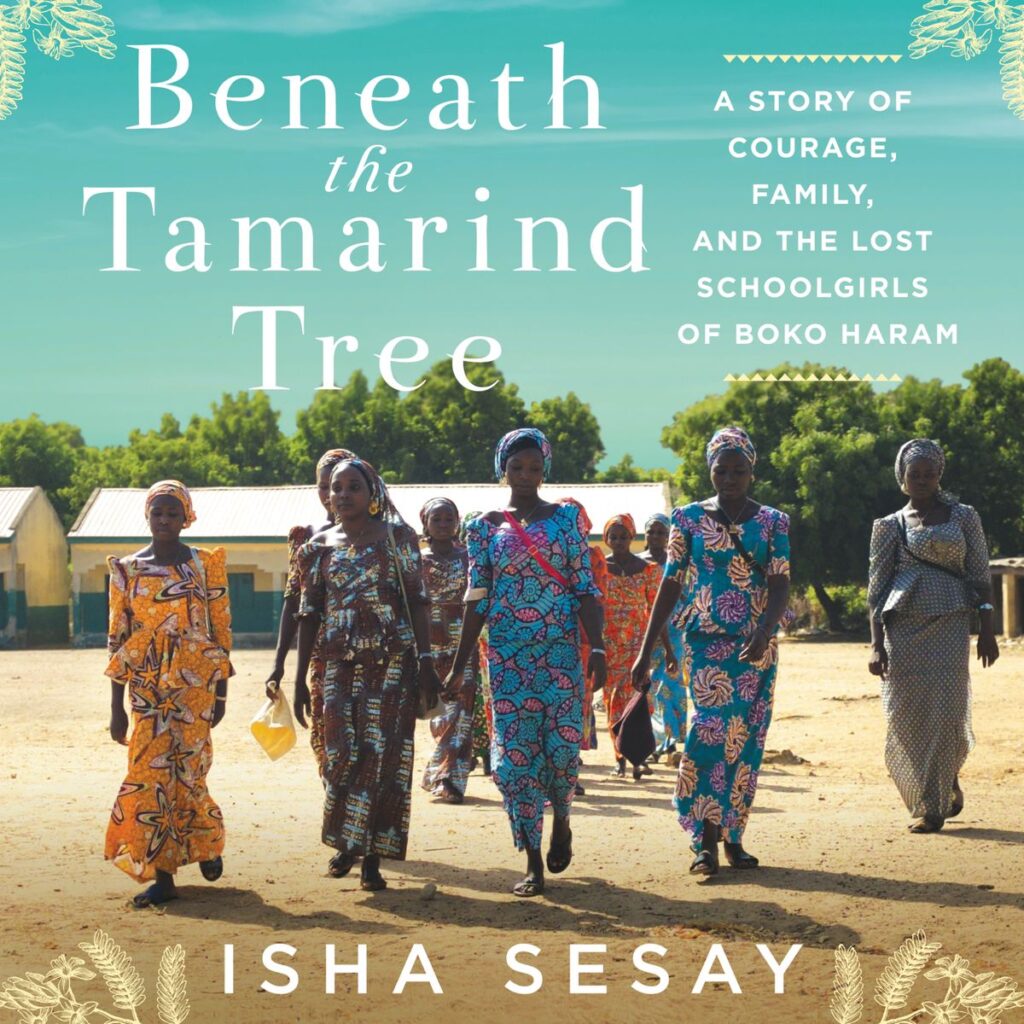
Written with the assumption of an American audience, this book initially grated on me. The second chapter justifying the importance of the kidnapping of 276 girls in Nigeria almost had me stop reading. I’m glad I persevered, because once Isha Sesay moves away from geopolitical platitudes of dubious merit, she tells a compelling tale of female resilience and perseverance, spread out across three generations.
The book intersperses the stories of the kidnapped girls with stories from Sesay’s family and past, and her own struggles both personal and within the US-centric CNN newsroom to cover the return of the first 21 girls to be handed over by their captors.
My main quibble with the book is the entire second chapter. It starts with the assumption that the reader – who has already finished the first chapter, showing some signs of commitment – needs to be persuaded that the fate of 276 girls from a remote corner of Nigeria are worthy of international attention. The argument is not based on our shared humanity with these girls, but on the ways in which Boko Haram is intermeshed into international terrorist networks, its relationships with Al-Qaeda and the Daesh/ Islamic State (IS). But I think what really irked me was the statement that “despite concerns about governance, corruption, and human rights abuses, the (US-Nigeria) relationship has survived…”. Given the US human rights record from the persistent support for the death penalty to the abuses of Guatanamo and Abu Ghraid (and the lack of institutional responses to those abuses), the assumption that the US has moral superiority on which to judge Nigeria is rather galling.
The book does an excellent job, however, of pointing out the complicity and silence of Nigerian elites, the issues of power and patronage that allowed the Chibok girls to disappear into the tangled web of insurgent violence; and where 112 girls remain ensnared. The gendered nature of the response, the challenge to male power that the kidnapping entailed, and the ways in which the parents and girls themselves were largely marginal to the narratives about the kidnapping were all explored well.
The most important fact, however, is understandably missing. Since this book was written and published, only one more girl has escaped from Boko Haram. There have been no further releases, and to much of the broader world the saga of the Chibok girls appears to be over. Coverage focuses on the tribulations of the girls who have been released, such as the difficulties in negotiating COVID, the ongoing neglect of Chibok, and the continuing harassment and violence by Boko Haram.
112 girls are still in captivity. 112 girls who were taken from the parents, subjected to abuse and deprivation. Their parents are poor and international attention long left them. We – people who care, people who recognise our daughters, our sisters, our selves, in these girls – shouldn’t have abandoned them to their fate, we need to continue re-placing the international spotlight on the Nigerian government’s unwillingness or inability to rescue the girls who remain in captivity.
