Over the weekend, I joined Neighbours United for Climate Action (NUCA) to undertake some ‘mindful weeding’ along the Merri Creek, a beautiful waterway that wends its way south to the Yarra and the oceans. I wasn’t entirely sure what I had signed up for, but it sounded promising, and the NUCA people are wonderful.
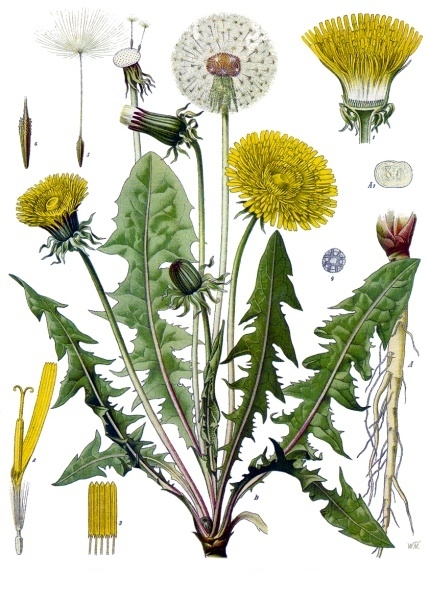
The activity takes place on land that is managed by the Traditional Owners of the Country, the Wurundjeri. While they are responsible for the major decisions and care of the land and those dwelling in and on it, the trees, grasses and animals, they have given permission for small groups to weed some invasive species from the plot – in particular milkthistle, dandelions and chickweed. All three of which, incidentally, are edible!
The acknowledgement of the importance of learning from Traditional Owners was important to me, and clearly integral to what we were doing on land.
The activity was split into four ten-minute activity segments, followed by coming into circle and reflecting on the questions that had been posed to us before we began. The first ten-minute segment focused on the three weeds mentioned earlier, with an invitation (if I remember correctly!) to think about the relationship between what we were doing and the climate crisis. For me, it brought up the connection between invasion and balance – but to be honest, I was more focused during this section on ensuring that my kids were not fighting!
For the next session, my kids had found a dog, or three, to play with, and I could focus on the process of identifying unwanted grasses, encircling and defining the problem, then tackling the problem by going to the root of the issue. If the metaphor for activism isn’t clear in this activity, it never will be! The facilitator, Pascale, started it off though by getting us to really look at the unwanted grass, to be sure that we were getting rid of only what was detrimental to the native environment and not harming what we were trying to protect. I had never consciously noticed the little hairs and ‘fire’ that were key to identification.
Next was an activity of conserving, protecting and connecting. Across the area, some plants were identified with little yellow ribbons, plants that needed some extra TLC. Pascale invited us to look at the plant, connect with it, and see if there was anything that needed to be done – I chose a native grass being a little choked by invasive grasses.
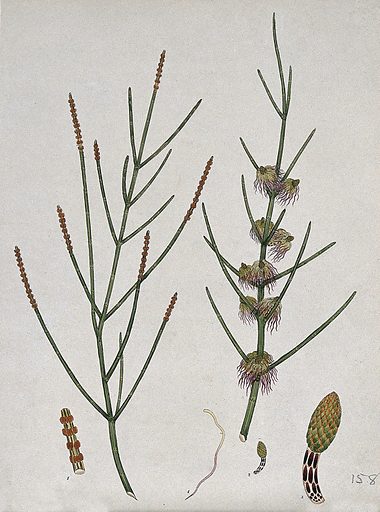
H. Andrews. Contributors: Henry C. Andrews. From Wellcome Collection
.
Lastly, we went into a grove of sacred she-oaks, and play-acted kangaroos – my kids rejoined for this part. We broke off lower branches, and scuffed away weeds growing in the forest litter.
It was an afternoon of connection, reflection and community, in service to people, place and planet. Just what we’re trying to build here!
